
Peripheral Neuropathy Explained: Symptoms, Causes, and Care
Nerves send signals between our body and brain to communicate. When nerves are damaged, this can prevent the brain from receiving or sending signals such as sensations or muscle movement. This nerve damage is called peripheral neuropathy. Its presentation may range from mild tingling to numbness, to even pain that requires medication to ease symptoms [1]. It is important to understand the specific cause of someone’s neuropathy, as this will decide the best course of treatment.
What is peripheral neuropathy?
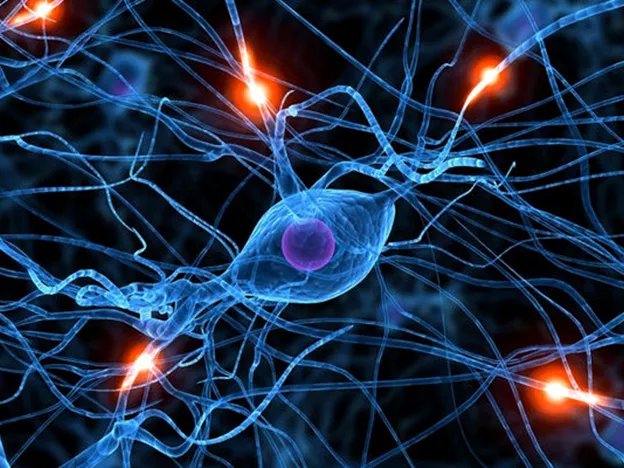
Nerves are communication highways in our bodies that send messages to and from our brain to the rest of our body. They are made up of specialized cells called neurons, that are experts at efficiently sending these important signals, such as touch, temperature, and pain. Nerves extend from our spinal cord to the furthest parts of our body, such our fingertips, which can relay information back and forth to our brains [2]. When this communication highway is interrupted, these signals can be disrupted or stopped.
Peripheral neuropathy, simply referred to as neuropathy, refers to this specific damage that can occur in the nerves outside of the brain and spine. The term “Neuropathy” breaks down to “neuro-”, referring to neuron, and “-pathy”, which means disease – translating literally to “disease of the neuron.” Likewise, the term “peripheral” refers to nerves located in the peripheral nervous system.
There are multiple categories of peripheral neuropathy that are defined by the type of nerves affected and the pattern of damage:
- Sensory neuropathy: Affects the nerves that transmit sensations such as touch, temperature and pain [1].
- Motor neuropathy: Impacts the nerves that control voluntary muscle movement [1].
- Autonomic neuropathy: Damage to nerves that regulate involuntary functions like heart rate, blood pressure, digestion, and sweating [2].
- Focal neuropathy: Damage restricted to a single nerve or one specific body part [3].
This nerve damage can range from affecting a single nerve (mononeuropathy) to more than one nerve (polyneuropathy). It can also affect specific types of nerves, such as sensory (touch sensing) or motor (movement) nerves.
What are the symptoms of peripheral neuropathy?
The symptoms of peripheral neuropathy vary case to case, ranging from numbness and tingling to pain [1]. Below is a list of the common symptoms experienced:
- Tingling, described as “pins and needles” sensation
- Burning or sharp/shooting pain
- Numbness or loss of sensation
- Weakness
- Dizziness upon standing
- Heat intolerance
- Digestive issues
Some people experience an increase in sensitivity due to their neuropathy, to quite an extreme level, with activities such as wearing socks becoming too painful. This can lead to extreme discomfort and chronic pain, which can cause secondary mental health issues like depression. Other people have the opposite effect with little to no sensation. This may lead to difficulties with walking, or the development of sores or blisters. If left untreated, these wounds can become infected and require medical intervention [3].
What causes peripheral neuropathy?
Causes of peripheral neuropathy include certain health disorders, genetic factors, drug use, side effects from certain medications, and injury [1].
Health Disorders
Health disorders typically include autoimmune or inflammatory disorders such as rheumatoid arthritis, Lyme disease, lupus, and hepatitis. Neuropathy from autoimmune disorders occurs when the body’s defense mechanism mistakenly attacks the nerves, leading to cell death or damage. Other types of neuropathy may be caused by health disorders that limit blood flow to extremities, or inflammation that causes pressure on nerves due to swelling (e.g., carpal tunnel syndrome). Diabetes is the number one cause of peripheral neuropathy due to damage to nerves and blood vessels caused by high blood sugar levels [4].
Genetic Factors
There are specific genetic disorders that may be inherited by family members that can cause peripheral neuropathy. This is more rare, and due to specific mutations in someone’s DNA that impact nerve function. Examples include Charcot-Marie-Tooth disease, NGLY1 Deficiency, Friedreich Ataxia, and a rare condition called giant axonal neuropathy (GAN) [5].
Peripheral Neuropathy in NGLY1 Deficiency
In patients with NGLY1 Deficiency, peripheral neuropathy is considered one of the core clinical features and is present in nearly all affected individuals [6]. Most patients experience what is known as “length-dependent sensorimotor polyneuropathy,” meaning the damage typically is present in the longest nerves of the body, impacting sensing and movement in the hands and feet [5].
When the NGLY1 protein is non-functional (as in NGLY1 Deficiency), the body is unable to recycle misfolded proteins, which causes cellular stress that is especially damaging to neurons [7]. The resulting neuropathy may manifest as reduced or absent reflexes, autonomic symptoms (ex: reduced ability to sweat (hypohidrosis), difficulties with body temperature regulation), and decreased pain sensation [5, 8].
Other Causes
Outside of health disorders and genetic factors, peripheral neuropathy may be caused by drug use, medication, or injury. Excessive alcohol or tobacco use is shown to increase risk of neuropathy. Reducing alcohol and tobacco use and increasing exercise can reduce this risk [3]. In addition, certain medications like antibiotics and chemotherapy drugs may have side effects of neuropathy that can be temporary or permanent. Lastly, injury caused by burning or extreme temperatures that results in loss of nerves.
How is peripheral neuropathy diagnosed?
Diagnosing peripheral neuropathy can be difficult, but is possible by a doctor’s review of a patient’s symptoms and medical history and if necessary, a physical examination. A physician may first test for conditions that cause neuropathy, such as diabetes, vitamin deficiencies, and autoimmune conditions using a blood test. This can be important to determine what treatment course of action is best.
If a primary condition is not diagnosed, there is additional physical testing available to assess nerve function. One type of test is called electromyography (EMG), which measures electrical activity of muscles and the nerves that control them [1]. Another type of test is a nerve conduction velocity test (NCS), which measures the speed and strength of a nerve impulse. Both of these tests look at the functional ability of nerves to determine if there is neuropathy present.
Management and treatment options
While treatment focuses primarily on addressing the underlying cause (like controlling diabetes or correcting a vitamin deficiency), many strategies can manage symptoms and improve quality of life [1].
Making simple lifestyle adjustments is a great starting point: incorporating regular, gentle exercise like walking or swimming can help reduce pain and improve muscle strength. Adopting a balanced diet and taking prescribed vitamin supplements (especially B-vitamins) if needed, supports overall nerve health [3]. It is also crucial to avoid triggers by limiting or stopping alcohol consumption and quitting smoking, as both can worsen nerve damage. For those whose feet are affected, careful daily foot inspection is vital, as is wearing supportive, well-fitting shoes, to prevent unseen injuries and falls.
On the medical side, your healthcare provider may prescribe specialized medication, such as certain anti-seizure or antidepressant drugs, which work by changing how your nerves send pain signals, as common pain relievers are often ineffective for nerve pain [1]. Topical creams or patches may also be used for localized relief. Working with a physical therapist can help improve balance, strength, and mobility, while some individuals find complementary therapies like acupuncture or massage helpful for circulation and relaxation. Always collaborate closely with your healthcare team to find the best, most personalized plan to manage your symptoms.
References
1. National Institute of Neurological Disorders and Stroke. (n.d.). Peripheral neuropathy. https://www.ninds.nih.gov/health-information/disorders/peripheral-neuropathy
2. Wong, S. Y., Gabbi, C., & Freeze, H. H. (2023). NGLY1 deficiency: A natural history study. Human Molecular Genetics, 32(18), 2787–2799. https://doi.org/10.1093/hmg/ddad115
3. NewYork-Presbyterian. (n.d.). Neuropathy symptoms & causes. https://www.nyp.org/neuro/neuromuscular-disorders/neuropathy
4. University of Rochester Medical Center. (n.d.). Peripheral neuropathy handout. https://www.urmc.rochester.edu/MediaLibraries/URMCMedia/center-experiential-learning/cme/types-of-activities/documents/PERIPHERAL-NEUROPATHY-HANDOUT.pdf
5. World Health Expo. (n.d.). Prevalence of peripheral neuropathy garners regional attention. https://www.worldhealthexpo.com/insights/clinical/prevalence-of-peripheral-neuropathy-garners-regional-attention
6. Grace Science Foundation. (n.d.). Symptoms of NGLY1 deficiency. https://www.gracescience.org/ngly1-deficiency
7. Caglayan, E., et al. (2016). NGLY1 mutation causes neuromotor impairment and neuropathy. PubMed Central (PMC). https://pmc.ncbi.nlm.nih.gov/articles/PMC4804755/
8. Child Neurology Foundation. (n.d.). NGLY1-CDDG. https://www.childneurologyfoundation.org/disorder/ngly1-cddg/